
AEGIS ATLAS shield logo
AEGIS ATLAS
Global Intelligence Architecture
AA
LIVE
SOURCE / Global: Official advisory and global OSINT stream ready while current-events cache refreshes · AEGIS ATLAS | OSINT / Global: Security, conflict, unrest, health, weather, and economic stress indicators under watch · AEGIS ATLASSOURCE / Global: Official advisory and global OSINT stream ready while current-events cache refreshes · AEGIS ATLAS | OSINT / Global: Security, conflict, unrest, health, weather, and economic stress indicators under watch · AEGIS ATLAS
← Back to Global Risk Map
Country DashboardMZ / MOZState.gov advisory loaded
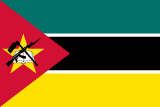
Mozambique flag

Country Intelligence Dashboard

Mozambique

Region pending

Level 2Exercise Increased Caution
Generate Travel Brief
Official Advisory
Level 2
Exercise Increased Caution
AEGIS Risk Index
47/100
Moderate
Trajectory
Concerning
AEGIS assesses a watch posture: conditions are manageable but vulnerable to triggering events.
Capital
Maputo
Reference data

State Level 1–4

Official Travel Advisory

Level 2Exercise Increased Caution

Updated to reflect change in overall travel advisory level from 3 to 2 due to decrease of election related protests, and addition of Niassa Special Reserve to Do Not Travel section. Exercise increased caution when traveling to Mozambique due to health issues , crime, civil unrest, and terrorism . Some areas have greater risk. Read the entire Travel Advisory. Do Not Travel To: Cabo Delgado Province, the Niassa Special Reserve inside Niassa Province, and certain districts in the north of Nampula Province due to terrorism . Country Summary: Unplanned protests remain possible throughout the country and can quickly become violent. Protests may temporarily block major roads, including toll booths and border crossings. Violent crime, such as mugging, is common. Mozambique’s health infrastructure is weak, medicine availability is variable and often in short supply. Local medical facilities may lack basic resources and supplies, and may require cash payment up front. There is risk of terrorist violence, including terrorist attacks and other activity in Mozambique. Visit the U.S. Department of State's country reports on terrorism to learn more. Terrorist groups in northern Mozambique continue to be active. Attackers may strike public areas and tourist destinations with little or no warning, sometimes taking hostages. Upscale lodges in remote areas which cater to international big-game hunters have been targeted. Security and police forces may be slow to respond. Read the country information page for additional information on travel to Mozambique. If you decide to travel to Mozambique: Avoid all but emergency travel between sunset and sunrise. Avoid demonstrations and crowds. Enroll in the Smart Traveler Enrollment Program (STEP) to receive messages and Alerts from the U.S. Embassy and make it easier to locate you in an emergency. Review the Country Security Report for Mozambique. Prepare a plan for emergency situations. Review the Traveler’s Checklist . Visit the CDC page for the latest Travel Health Information related to your travel and return to the United States. We highly recommend you buy insurance before you travel. Check with your travel insurance provider about evacuation assistance, medical insurance, and trip cancellation coverage. Have evacuation plans that do not rely on U.S. government assistance. Have travel documents up to date and easily accessible. Keep a low profile. Be aware of your surroundings. Monitor local media for breaking events and be prepared to adjust your plans. Cabo Delgado Province, the Niassa Special Reserve within Niassa Province, and certain northern districts in Nampula Province – Level 4: Do Not Travel Terrorists continue to conduct and plot attacks on government forces, villages, and key supply routes in Cabo Delgado Province and the bordering districts of Memba and Erati in Nampula Province. Cabo Delgado’s capitol city of Pemba is vulnerable to attack due to the proximity of violent extremist forces and their increasing sophistication. Upscale hunting lodges in and around the Niassa Special Reserve have been specifically targeted by terrorists with hostages taken. Although prior terrorist attacks centered around securing resources from government forces, travelers should be aware of their surroundings, especially in large public places. Be aware of increased government security checkpoints in Cabo Delgado Province. If you must travel to the affected areas of Cabo Delgado, Niassa, and Nampula Provinces, consider hiring a security firm. Visit our website for Travel to High-Risk Areas .

Source: U.S. Department of State

Published/Updated: Date pending

Open official State.gov advisory →

AEGIS Trajectory Engine

Concerning

AEGIS assesses a watch posture: conditions are manageable but vulnerable to triggering events.

Trajectory Score
66
Confidence: High
30 Day
Elevated watch
Confidence: High
90 Day
Elevated instability potential
Confidence: High
12 Month
Monitor governance and economic resilience
Confidence: Moderate

Primary Drivers

  • Official advisory posture: Level 2.
  • Security pressure: 47/100 across crime, terrorism, unrest, and kidnapping indicators.
  • Systemic pressure: 44/100 across health, natural hazards, and economic stress.
  • Economic signal: Managed Economic Pressure.

Planning Implication

Use a deliberate watch posture. Verify official guidance before travel, monitor trigger events, and identify alternative movement or support options.

Watch Indicators

  • State Department advisory level or summary changes.
  • Protest, strike, election, conflict, or major criminal-violence developments in the OSINT feed.
  • Inflation, unemployment, contraction, debt, food/fuel pressure, or currency volatility signals.
  • Embassy security alerts, movement restrictions, natural disasters, health outbreaks, or airport/port disruptions.

AEGIS Threat Matrix

Operational Risk Categories

Official Level 1–4 is the fast read. The matrix breaks down why the country is risky and what threat categories matter most.

Crime
Moderate
47

Street crime, organized crime, violent crime, theft, and personal security exposure.

Terrorism
Moderate
37

Terrorist intent, capability, historic activity, and target attractiveness.

Civil Unrest
Moderate
42

Protests, strikes, riots, political instability, and election-related disruption.

Health
Moderate
37

Disease risk, healthcare access, medical evacuation complexity, and public health alerts.

Natural Hazard
Moderate
35

Storms, earthquakes, floods, wildfires, volcanos, and other environmental hazards.

Cyber
Moderate
47

Device compromise, malicious WiFi, telecom exposure, surveillance, and data-theft risks.

Collection Risk
Moderate
52

Targeting risk against travelers, officials, executives, NGOs, journalists, or exposed personnel.

Kidnapping
Moderate
42

Kidnapping, wrongful detention, extortion, hostage taking, and ransom exposure.

Economic Risk Layer

Economic Indicators & Stability Pressure

Economic stress is treated as a driver for unrest, crime pressure, migration, corruption, institutional capacity, and PMESII-Economic analysis. Indicators are pulled from the World Bank layer when available and used as planning context, not as a replacement for official advisory guidance.

Economic Stress
44
Managed Economic Pressure

growth

GDP

2024
$22.7B

Current-dollar GDP gives the broad scale of the economy and state resource base.

Source →

growth

GDP Growth

2024
2.1%

Annual GDP growth helps identify contraction, recovery, or growth stress.

Source →

growth

GDP per Capita

2024
$657

GDP per capita provides a rough prosperity and capacity proxy.

Source →

stability

Inflation

2024
4.1%

Consumer inflation can signal food/fuel pressure, cost-of-living stress, and unrest potential.

Source →

labor

Unemployment

2025
6.6%

Unemployment is a pressure indicator for household stress, migration, crime, and unrest.

Source →

trade

Trade Exposure

2024
96%

Trade as a share of GDP can show exposure to border closures, sanctions, shocks, and supply-chain disruption.

Source →

debt

Government Debt

2024
72%

Government debt burden can constrain response capacity and increase austerity or instability pressure.

Source →

Key Economic Findings

  • Recent GDP growth is 2.1%, giving a baseline indication of economic direction.
  • Inflation is not currently the dominant economic stress signal in the latest World Bank indicator set.
  • Unemployment is below the primary AEGIS watch threshold in the latest indicator set.
  • Government debt is elevated, which can constrain crisis response, public spending, and resiliency programs.

Trajectory Signal

Stable / Watch

Economic stress is treated as a driver for unrest, migration, corruption, criminal pressure, institutional capacity, and resiliency. It informs PMESII-Economic and trajectory analysis but does not replace official advisory guidance.

Source: World Bank Indicators APIView docs →

Country Reference Data

Factbook-Style Profile

Baseline geography, population, language, economy-adjacent, and movement-reference fields for quick planning context.

Mode
reference
Official Name
Republic of Mozambique
Capital
Maputo
Population
34.1M
Area
801,590 km²
Region
Africa / Eastern Africa
Currencies
Mozambican metical (MT)
Languages
Portuguese
Time Zones
UTC+02:00
Movement Notes
Coastal access • Drives on left • UN member • Borders: MWI, ZAF, SWZ, TZA, ZMB, ZWE

Planner Mode

Professional ASCOPE / PMESII Planner

AEGIS Planner Mode answers the practical civil-considerations questions: what factors matter, why they matter, how they affect movement or objectives, which influences drive instability or stability, and what activities are realistic.

Embassy & Consulate Layer

U.S. Mission Support

Official mission context is pulled from State Department country travel information when available, with directory fallback links for verification.

Mode
state
Embassy

U.S. Embassy Maputo

Maputo

state-country-info
Phone
*** Due to technical issues on the Mozambican e-visa website, U.S. citizen travelers wishing to obtain a visitor visa are advised to follow the guidance below related to tourism and business travelers until further notice. Please note an invitation letter is still required.*** U.S. citizens wishing to enter Mozambique
Emergency
Criminal Penalties: You are subject to host country laws. If you violate local laws, even unknowingly, you may be deported, arrested or imprisoned. It’s very important to know what’s legal and what’s not wherever you go. Penalties for possession, use, or trafficking in illegal drugs in are severe. Convicted offenders can expect long jail sentences and heavy fines. Some laws are also prosecutable in the U.S., regardless of local law. For examples, see our website on crimes against minors abroad a
Address
*** Due to technical issues on the Mozambican e-visa website, U.S. citizen travelers wishing to obtain a visitor visa are advised to follow the guidance below related to tourism and business travelers until further notice. Please note an invitation letter is still required.*** U.S. citizens wishing to enter Mozambique for the purposes of tourism or business are not required to obtain a visa at this time. Entry requirements are determined by the traveler’s length of stay which is decided by immig

Road Conditions and Safety : The EN4 toll road between Maputo and South Africa is well-maintained. The road network connecting provincial capitals is in fair condition, but can be riddled with potholes and other obstacles. Vehicles on certain sections of the EN1 roadway in Sofala and Manica provinces and the EN6 between Beira and Chimoio have been shot at and the Government of Mozambique has instituted convoys on some stretches of the road. U.S. Embassy officials are restricted from traveling in Sofala or Manica on the EN1 between the Save River (in the south) and the city of Caia (in the north) and on the EN6 between Beira and Chimoio. Restrictions are also in place on the EN7 from Nova Vanduzi to Luenha. U.S. government personnel are prohibited from traveling outside cities after dark because of the increased risk of banditry, poor road conditions in some areas, poor maintenance of man

Open Mission Source →

OSINT Feed

Current Signals

AEGIS highlights current public-source signals that may affect travel posture, planning, or country trajectory.

Active

SOURCE

Official advisory and global OSINT context will populate when the AEGIS event feed refreshes.

The country page remains usable with advisory, reference, and embassy layers while the current-events stream refreshes.

Low
Signal: Source standbyConfidence: ModerateSource: AEGIS ATLAS

AEGIS Data Layer

Data Fusion Notes

The country dashboard now fuses official advisory, embassy/consulate context, and baseline reference data before generating a travel brief.

AEGIS Analyst

Travel Brief Generator

Generates a traveler-friendly intelligence brief using official advisory context, current reporting, threat categories, embassy considerations, trajectory, and source-backed recommendations.

Cost control: generated country briefs are cached server-side for several hours. Use Refresh Brief only when you intentionally want a fresh AEGIS render.
Select Generate Travel Brief to render a current, source-backed brief for Mozambique. The Save Brief button appears after a brief is generated.